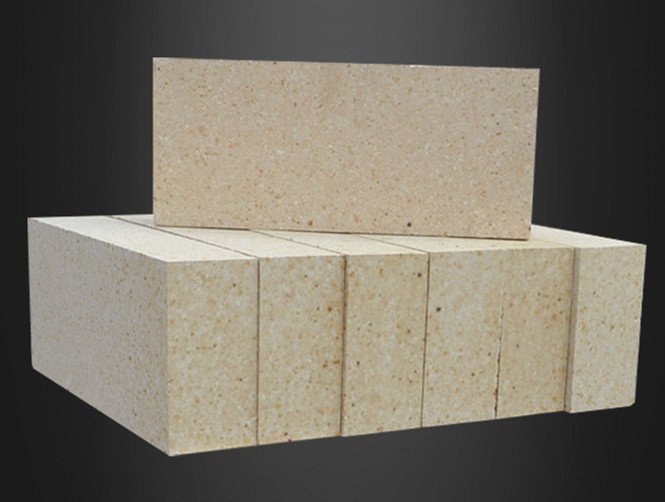
High Alumina and Fireclay Refractory Bricks
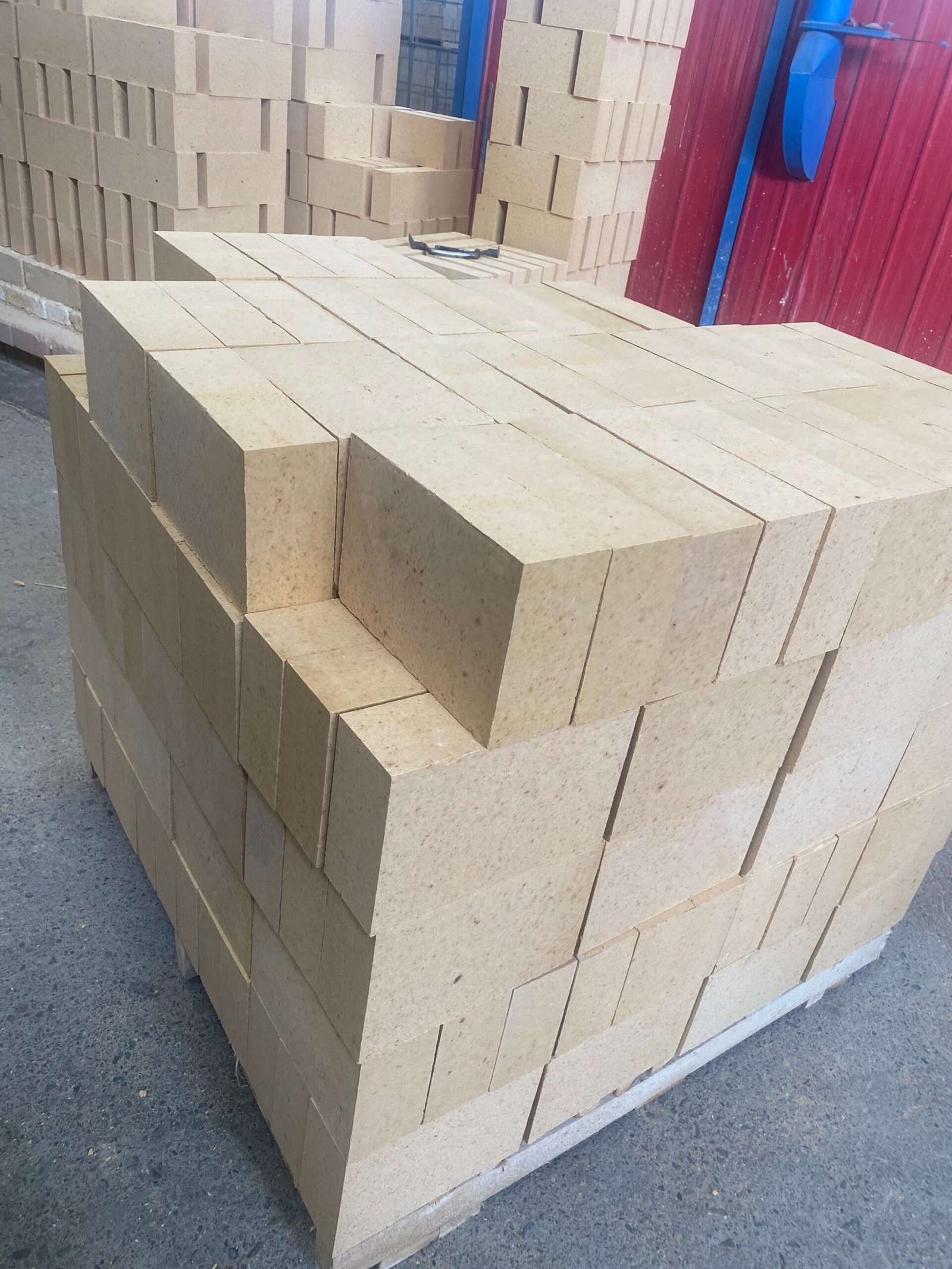
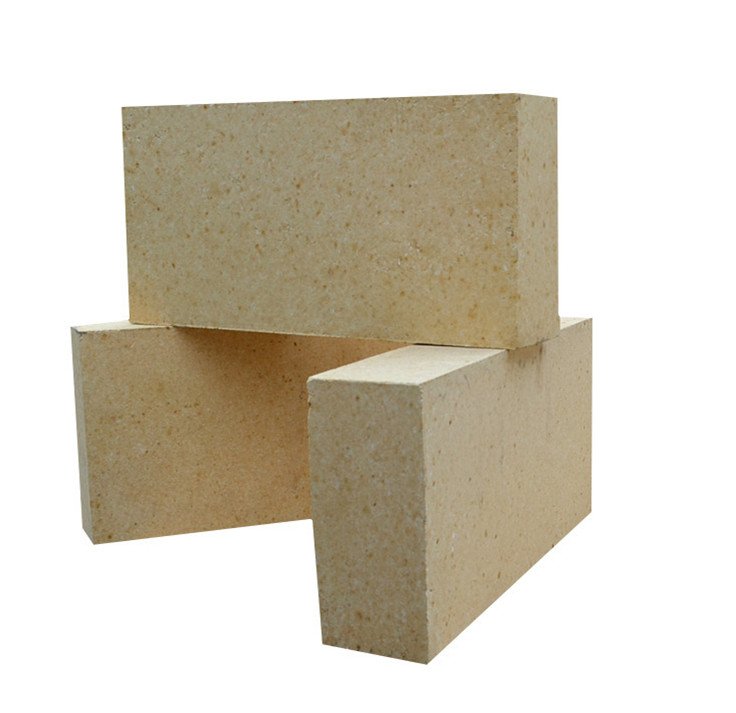
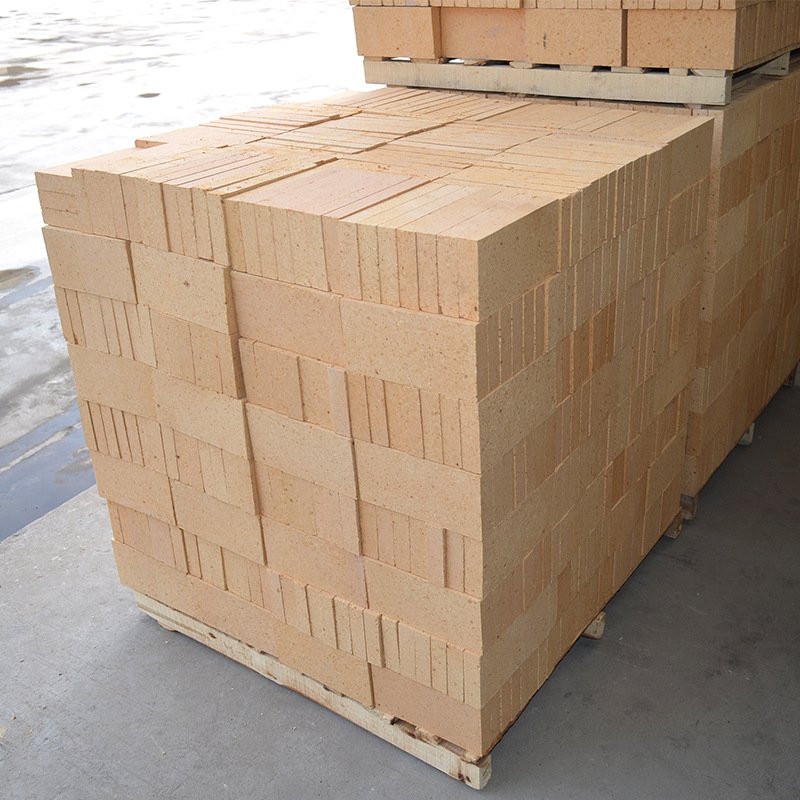
Refractory clay and high Alumina bricks are a common type of refractory material,It is made of high quality raw flint clay material with less impurities, compact structure and high purity. It is added with new refractory raw materials, additives and binders, fireclay brick is formulated by high-temperature sintering after compounding, mixing and high-pressure molding. It has the advantages of small creep rate and strong heat storage capacity.
| Fire clay and High Alumina Fire Proof Blocks | ||||||
| tem / Types | SK32 | SK34 | SK36 | SK38 | SK40 | |
| Chemical Composition | Al2O3(%) | >35 | >38 | >55 | >70 | >82 |
| SiO2(%) | ≤60 | ≤50 | ≤35 | ≤28 | ≤10 | |
| Fe2O3(%) | ≤2.5 | ≤2.0 | ≤1.8 | ≤1.5 | ≤1.3 | |
| Na2O+K2O(%) | ≤1.0 | ≤0.8 | ≤0.8 | ≤0.6 | ≤0.5 | |
| Bulk Density | g/cm3 | 2 | 2.2 | 2.35 | 2.5 | 2.7 |
| Apparent Porosity | % | 22~26 | 20~24 | 20~23 | 20~22 | 18~20 |
| Cold Crushing Strength | MPa | 22 | 25 | 45 | 50 | 55 |
| Refractoriness | 0.2MPa (℃) | 1350 | 1390 | 1470 | 1550 | 1600 |
| Under Load | ||||||
| Creep Rate | % (1000℃,0.2mpa,25h) | ≤0.6 | ≤0.6 | ≤0.3 | ≤0.2 | ≤0.2 |
| Flexural strength | 1200℃ | – | – | – | 10 | – |
| 1350℃ | – | 6 | 6 | 4 | 4 | |
Strong Chemical Stability: They have a certain resistance to most acidic and alkaline furnace slags and high-temperature gases, and are not easily eroded.
Classification
According to their physical and chemical indicators and uses, they can be divided into different grades, such as ordinary refractory clay bricks and high-alumina refractory clay bricks. High-alumina refractory
clay bricks have a higher alumina content and superior performance, and are suitable for some occasions with higher requirements for refractory performance.
Applications
They are widely used in various high-temperature furnaces in industries such as metallurgy, building materials, chemical engineering, and electric power, such as blast furnaces,
hot blast stoves, coke ovens, glass furnaces, cement rotary kilns, etc. As lining materials, they play the roles of heat insulation, heat preservation, and protecting the furnace structure,
so as to extend the service life of the furnace and ensure the normal operation of the production process.
Get started
Let honest support your refractory needs with quality and care.